Advancing, Protecting, and Investing in Women’s Rights: A Call for Urgent and Transformative Action
Advancing, protecting, and investing in women’s rights is not optional it is a legal obligation, a moral imperative, and a fundamental human rights commitment recognized both nationally and internationally. Gender equality is not a privilege; it is a right. Without it, there can be no meaningful or sustainable development.
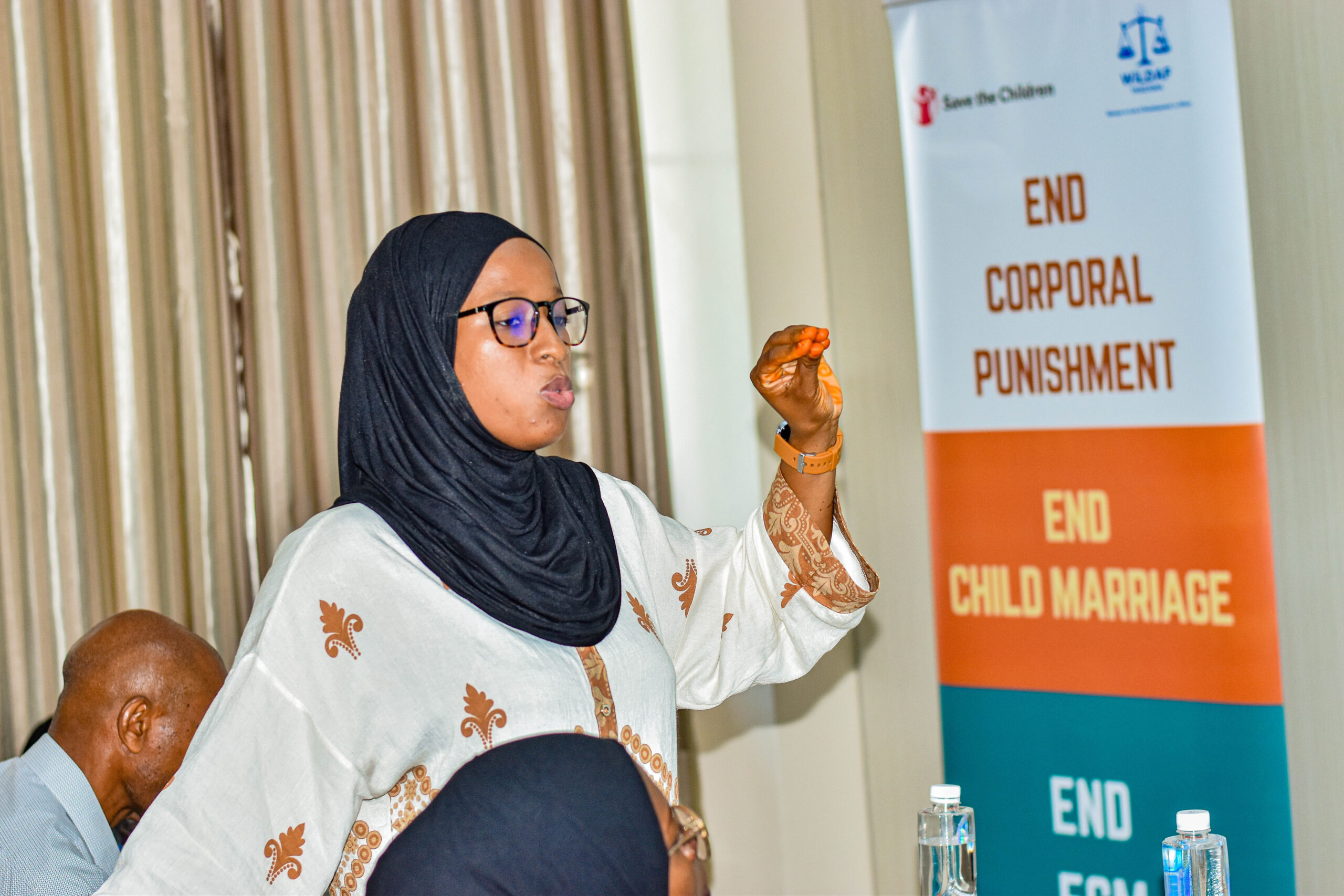
Over the past two days, WiLDAF, in collaboration with TAWLA and with support from Save the Children, convened a powerful and long-overdue gathering of key stakeholders. After many years, this space was intentionally reclaimed—not only for dialogue, but for truth-telling, reflection, accountability, and renewed collective action.
This convening provided a critical platform to assess the progress our country has made and to honestly confront where gaps and failures persist—in fulfilling its obligations to eliminate all forms of discrimination against women, in line with the Convention on the Elimination of All Forms of Discrimination Against Women (CEDAW). This was not a meeting to celebrate rhetoric. It was a space to challenge systemic inequalities, question inaction, and push for tangible, lasting change. Women do not need more promises—they need results.
The meeting brought together members of the Civil Society Coalition (Mkuki), representing a diverse and dynamic network of organizations working across multiple sectors. These included groups advancing women’s rights in health, political participation and leadership, legal empowerment and access to justice, as well as organizations supporting refugee and marginalized women, rural women, women with disabilities, women living with HIV, and those advocating for child rights.
This diversity is not incidental—it is our strength. It reflects the reality that women’s rights are deeply interconnected and that achieving gender justice requires inclusive, intersectional approaches rooted in solidarity and collective power.
This is a defining moment.
A moment to move beyond commitments and into concrete, measurable action.
A moment to hold governments, institutions, and all duty bearers accountable.
A moment to center women—not as passive beneficiaries, but as leaders, decision-makers, and agents of transformative change.
The time for incremental progress has passed. What is required now is bold, systemic transformation—one that dismantles entrenched inequalities and rebuilds systems grounded in equality, dignity, and justice.
Women cannot wait any longer.
Women deserve their rights—now.